

Our Services
3D visualizations
of spaces
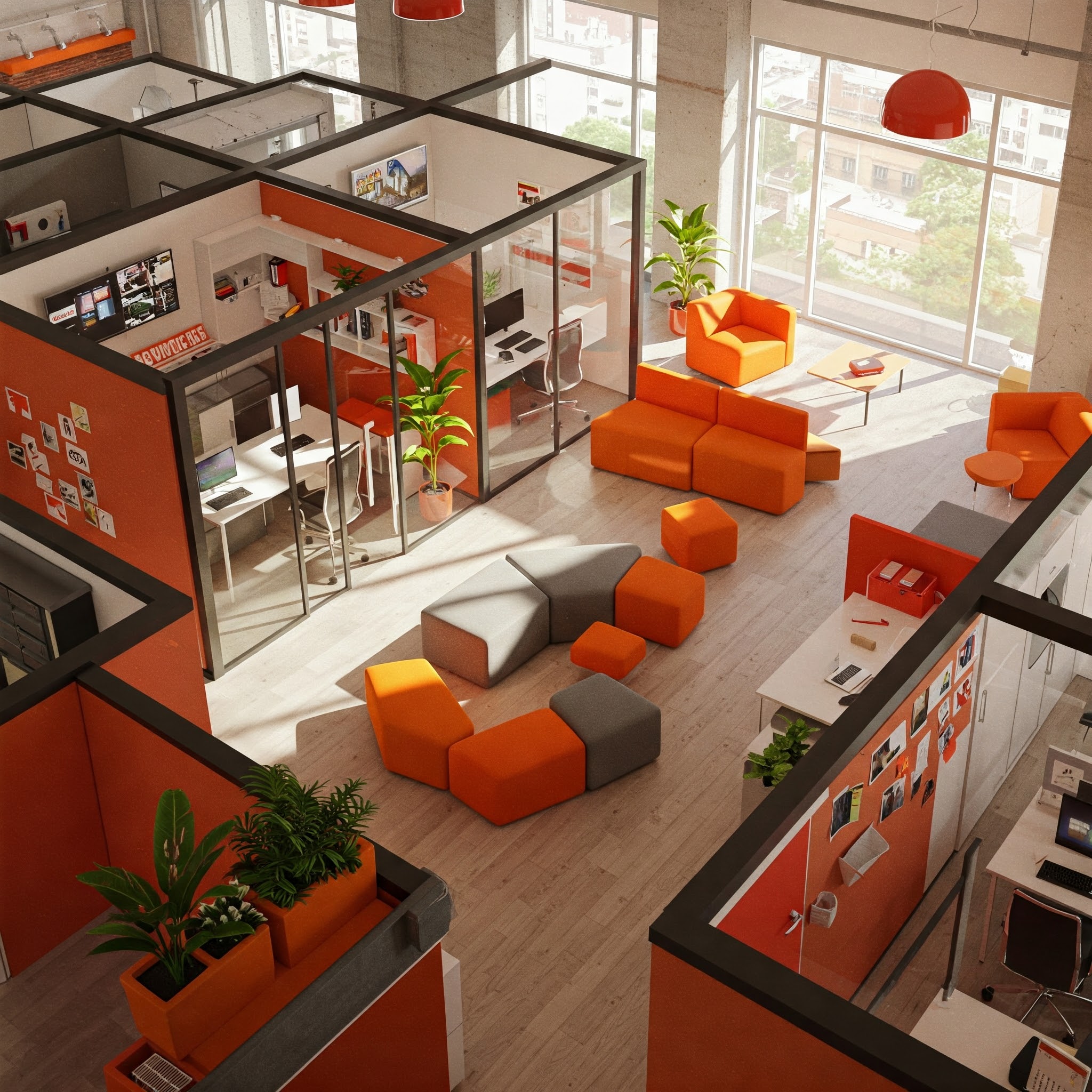
3D visualizations of spaces
Types3D Visualization of Spaces
There are a number of benefits to using 3D visualizations for space planning. 3D visualizations faithfully reflect the appearance of the designed space, taking into account details, materials, lighting and colors. In addition, this tool allows you to test different variations in the arrangement of furniture and equipment, in order to find the most functional and ergonomic solution and verify the concept.
3D landscape visualizations
3D landscape visualizations are an indispensable tool in the design of green areas, parks, gardens and other outdoor spaces. They allow a realistic representation of the concept of landscaping, taking into account terrain, vegetation, landscaping elements and lighting. Thanks to them, you can create a space that is not only aesthetically pleasing, but also functional and user-friendly.
3D Visualizations of Office Spaces
- 3D visualizations of office spaces are the key to creating a modern, ergonomic and inspiring workplace. They allow you to optimally arrange workstations, conference rooms, social spaces and other office furnishings. Thanks to them, you can design a space that will encourage creativity, collaboration and efficiency among employees.
3D Visualizations of Industrial Spaces
3D visualizations of industrial spaces are an essential tool in the design of production halls, warehouses and other industrial facilities. They allow you to optimize the layout of machinery, equipment, production lines and other equipment, taking into account the principles of safety, ergonomics and efficiency. Thanks to them, you can design a space that will meet the specific requirements of a given industrial facility.
spaces
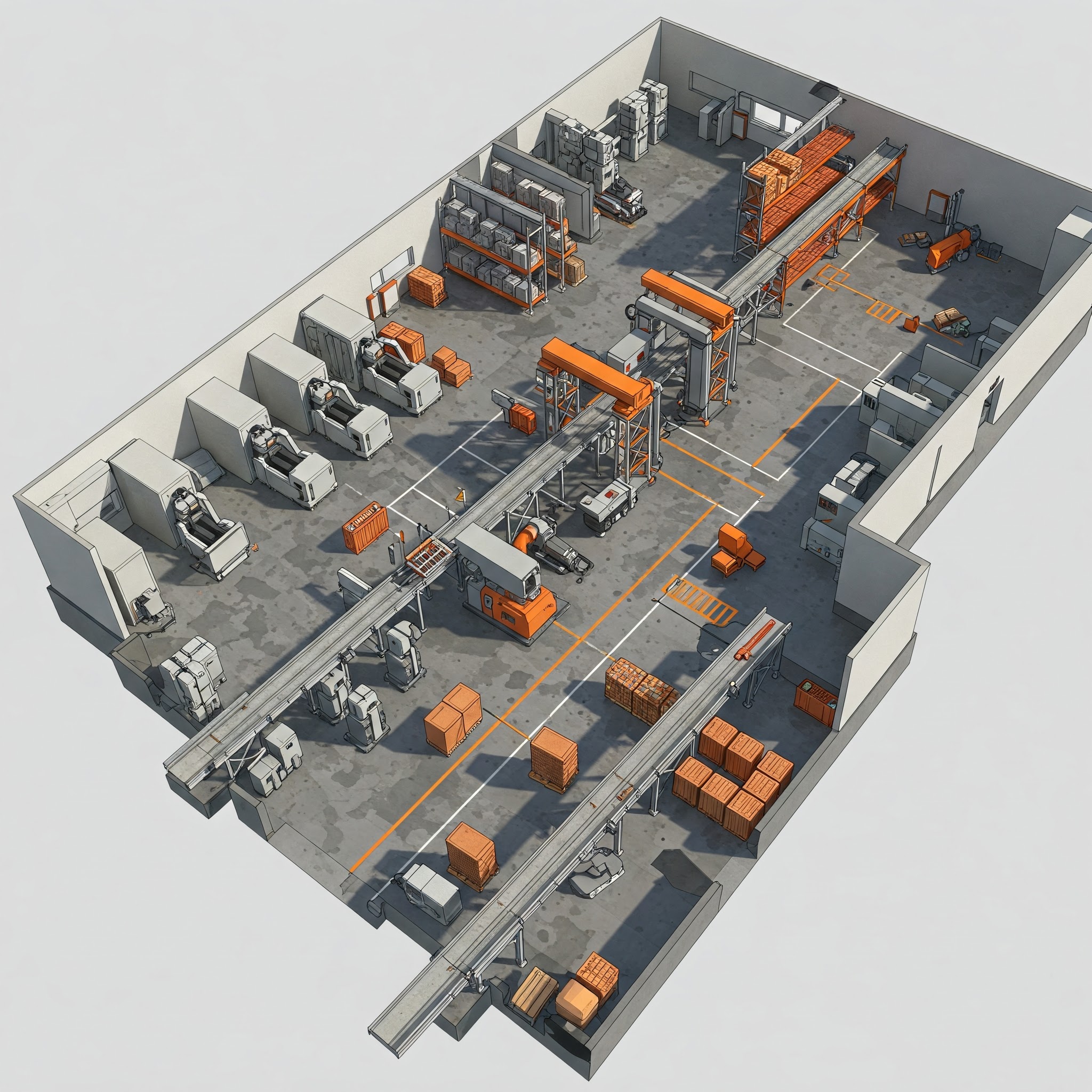
Visualization of factory spaces and magazines
Reduce production costs, increase productivity and improve workplace safety.
Industrial Spaces: Plan Effectively with 3D Visualization
3D visualizations of industrial spaces are the key to optimal layout of factories, warehouses and other industrial facilities. They allow simulation and analysis of the flow of materials, raw materials and products to identify and eliminate bottlenecks. They also allow early detection of potential hazards and the introduction of design changes to ensure the safety of workers.
With the visualization of industrial spaces, it is possible to optimize the arrangement of machinery and equipment, in order to minimize the time and cost of internal transport, as well as early detection and correction of possible design errors, thus avoiding costly rework during construction.
 English
  Polish